
Urban Traffic Simulation • Street-Level Survival
Pity Please!
An interconnected urban simulation where dynamic vehicle traffic, living pedestrian routines, multi-modal rail networks, weather, police dispatch, and street-level survival mechanisms interact to create rich emergent stories.
- Deep Micro & Macro Simulation
- Trained by Autonomous Reinforcement Learning
- In Active Public Development
A City That Reacts To Every Choice
Traffic Engineering From The Curb
Plan road grids and tune traffic signals while surviving directly inside the consequences. A single stalled lane ripples into a citywide gridlock. Rain storms make roads slick and dangerous. Police dispatch calls compete with commuter rushes. Meanwhile, your hunger, hydration, and energy keep draining in real time.
Pity Please is built on readable deterministic systems, multi-tiered simulation loops, and the unexpected chain reactions that occur when no simulation layer runs in isolation.
Core Pillars
An Interconnected World
Every mechanic connects directly to the urban ecosystem—from intersection throughput to bodily metabolism.
 Simulation
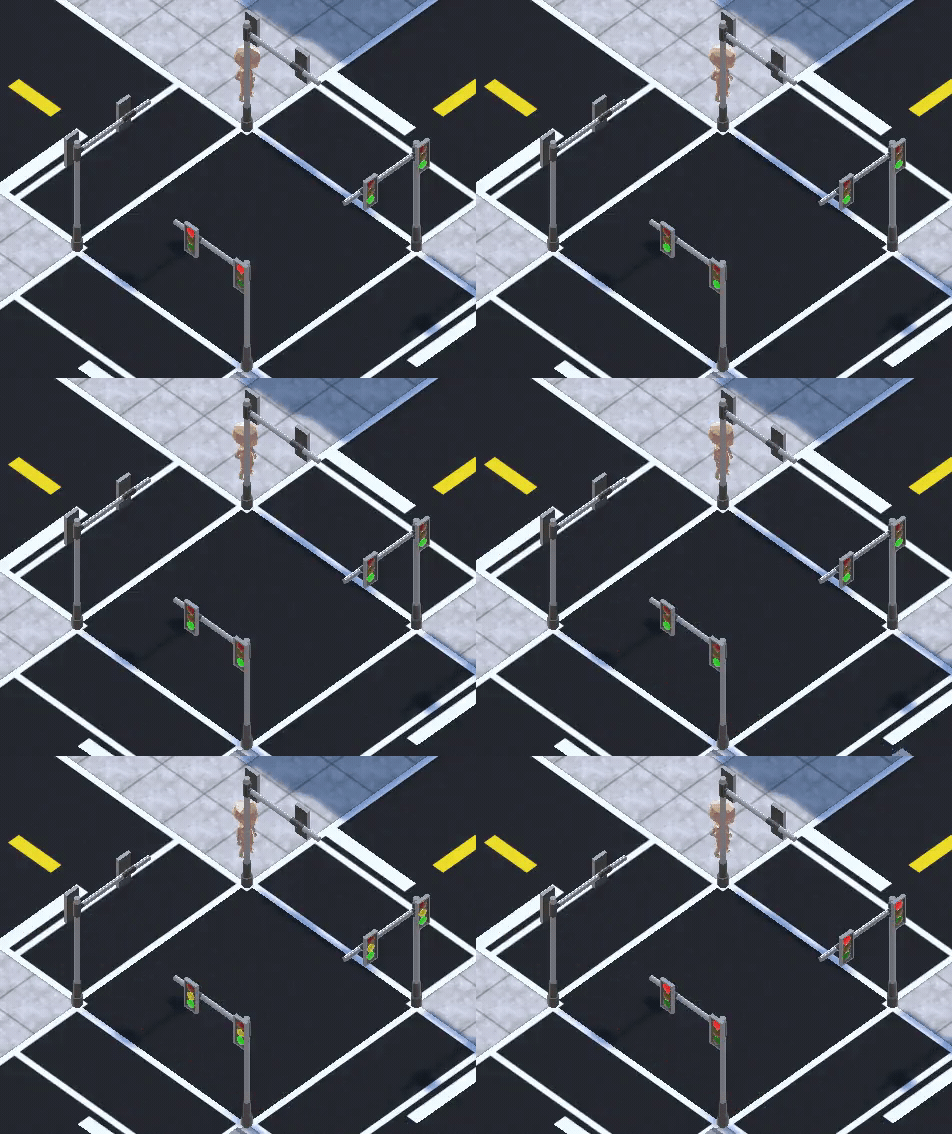
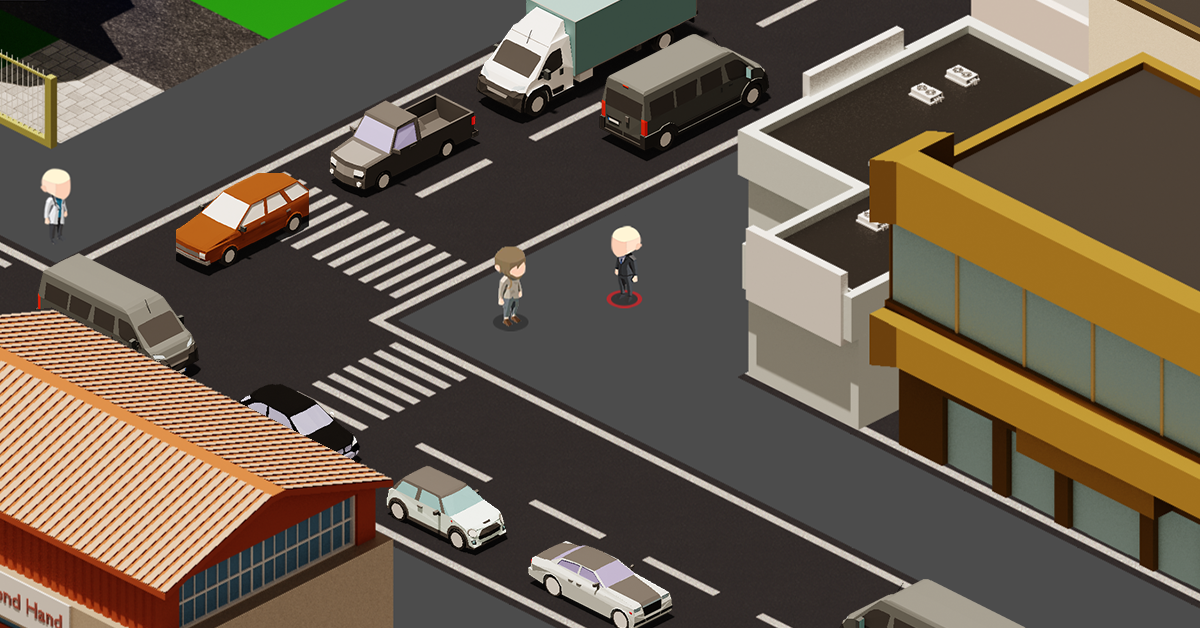
Emergent Traffic & Gridlocks
Real-time vehicle pathfinding, lane reservations, and signal programming. Congestion propagates organically based on commuter demand, road capacity, and emergency dispatches.
 Survival
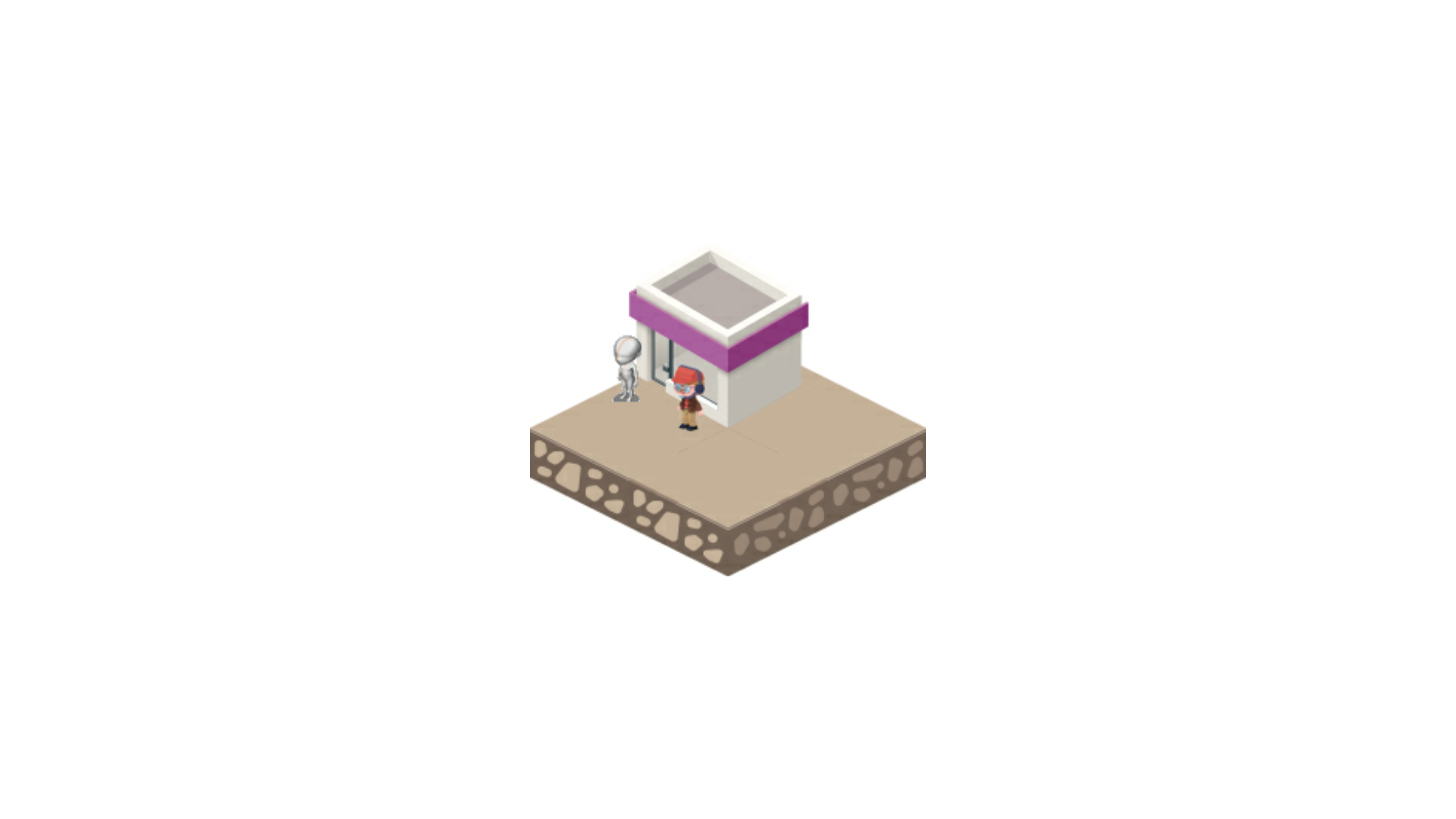
Street-Level Survival
Manage hunger, hydration, stamina, and health. Scavenge dumpsters, craft signboards, panhandle for coins, and pitch tents in off-grid camp locations to endure the city nights.
 Transit
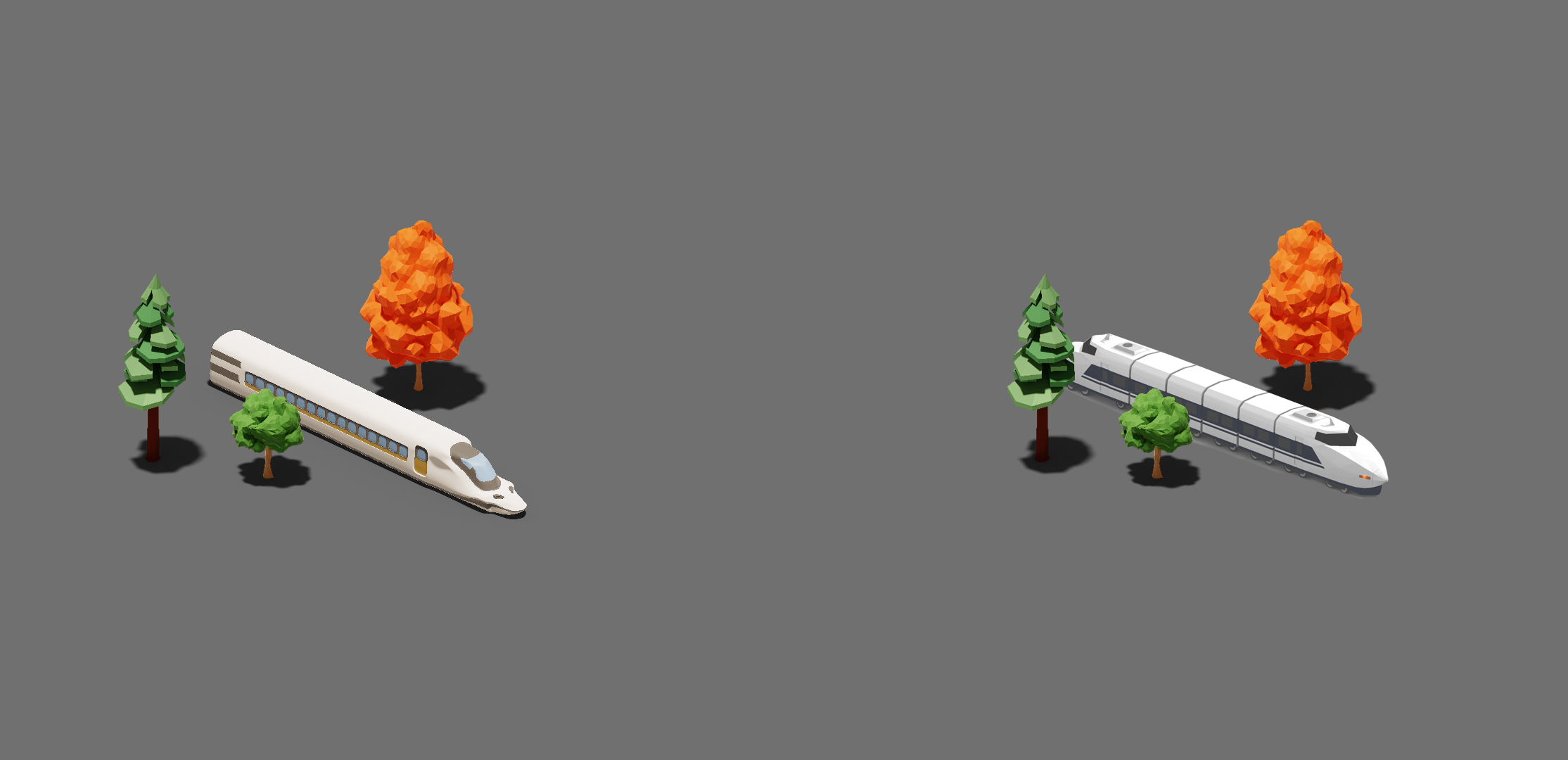
Rail & Public Transit
Multi-modal transportation networks with passenger trains, station hubs, and bus routes connecting Blessland, rural outskirts, and dense downtown districts.
 Living City
Living Economy & NPCs
Street vendors, hot dog carts, supermarkets, cafes, and pedestrians with individual routines, dialogue choices, and economic transactions that react to player presence.
Autonomous Playtesting & Reinforcement Learning
AI Survival Agent (Q-Learning v21)
Pity Please is continuously playtested and balanced 24/7 on a dedicated Linux runner by an autonomous Q-Learning agent navigating real movement, inventory, shops, dialogue, crafting, and camping.
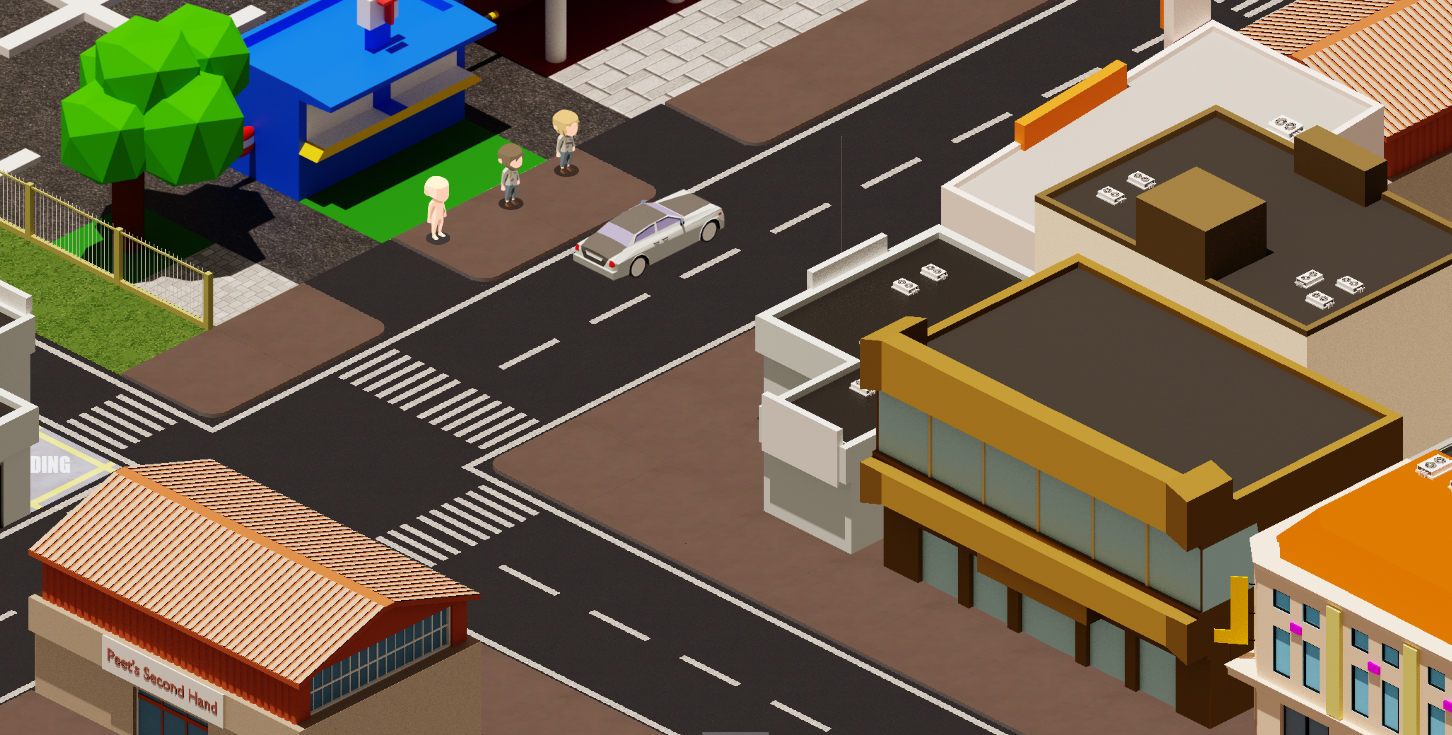
Autonomous Street Exploration
The AI Agent navigates Blessland using A* pathfinding, evaluating over 9,600 learned states.

Tactical Grid & Memory
Landmark memory allows the agent to route toward hotdog stands, shops, and safe sleep camps.
Vitals & Action Tokens
Real-time monitoring of food, hydration, body temperature, and action token execution.
Current Training Checkpoint
Episode — • Strategy — • Phase —.
Policy generation — last observed —
(—).
Exploration Profile
ε = — with — recorded states and — persisted in the current Q-table model.
Survival Target Contract
The latest completed episode reports —. The agent has repeatedly crossed 10–11 continuous game-days under active curriculum learning.
Scheduled caretaker • Continuous Playtesting
The Linode worker trains through real physics and UI controls. A guarded timer publishes versioned, sanitized telemetry every 30 seconds to this page; releases and credentials remain human-only.
Real-Time Telemetry
Live Training Statistics & Policy Distribution
Top Action Policy Distribution
Recent Episode History
| Episode | Survived | Actions | Status |
|---|
Visual Showcase
Inside The City Simulation
High-definition screenshots, gameplay captures from the AI bot, environment studies, and original concept artwork.
Playable Prototype
Interactive Systems Inspector
Test city interventions in real time. Optimizing one metric can shift pressure onto other urban systems.
08:00 Blessland traffic and survival model online.
08:02 Select an intervention above to advance the city simulation.
Built In Public • Open Development
The City Is Taking Shape
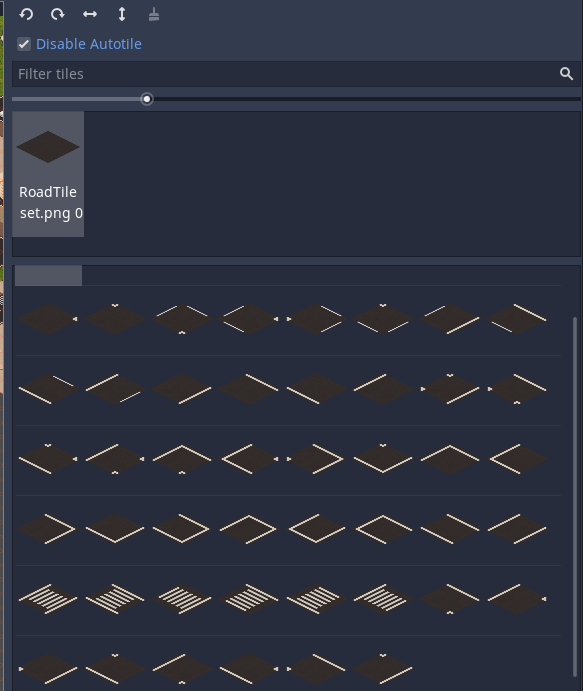
Pity Please is in active development on Godot 4. Current engineering focuses on simulation scaling, RL survival agent curriculum hardening, visual polish, and automated multi-platform builds.